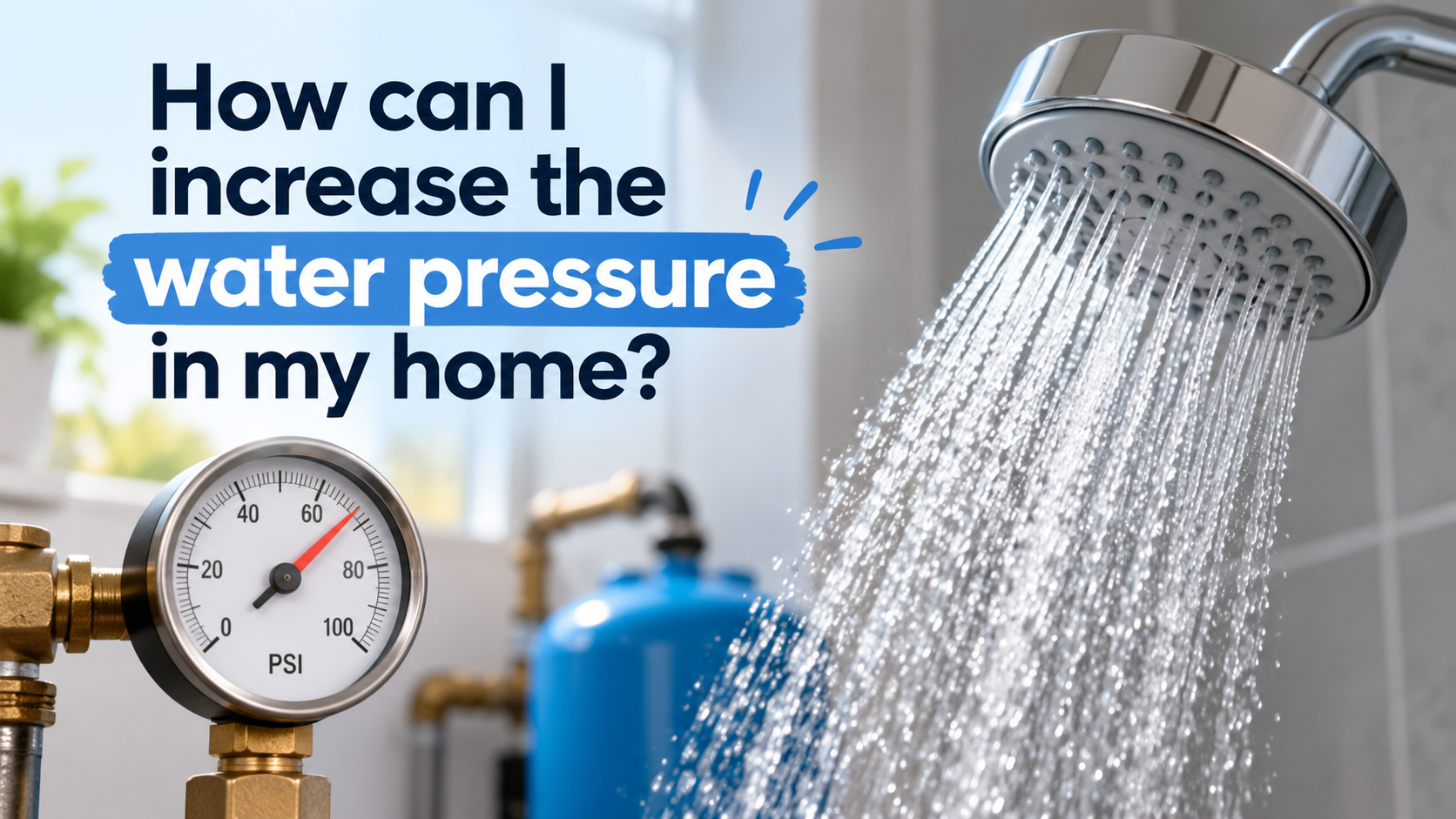
Do you have a weak shower, slow-filling bath, or taps that seem to trickle rather than flow. Low water pressure is a common issue for homeowners, but in many cases, there are steps you can take to improve it without major plumbing work.
It’s important to understand the difference between water pressure and water flow. Water pressure is the force that pushes water through your pipes. Water flow is the volume of water coming out of your taps or shower. Pressure is typically measured in Bar and flow is measured in litres per minute.
Many homeowners assume they have a pressure problem when they’re actually dealing with restricted flow caused by blockages, scale build-up, or faulty fixtures.
What can I do to help with my water pressure?
Check for Partially Closed Stop Valves
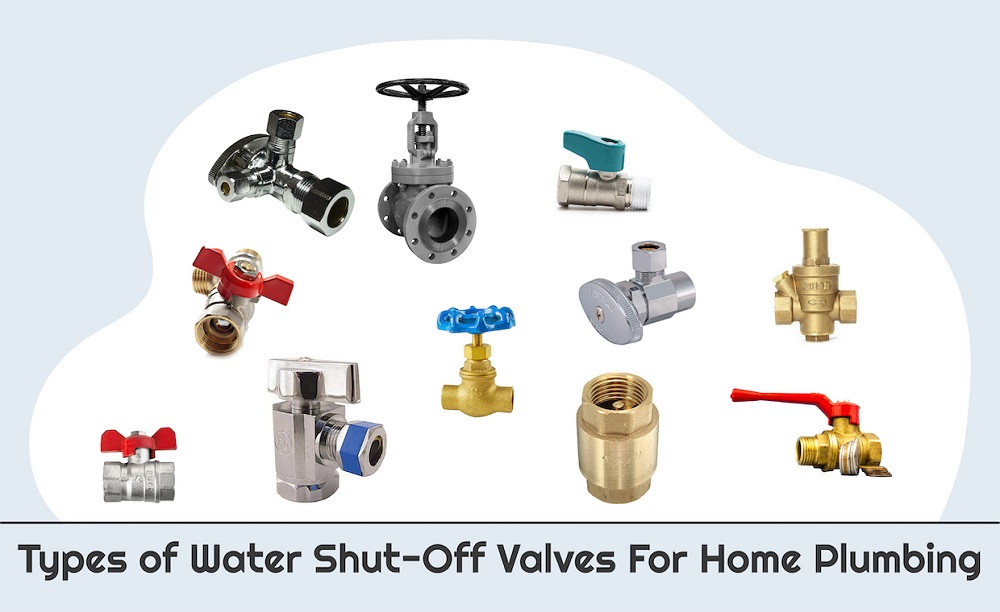
One of the simplest causes of low water pressure is a partially closed stopcock or isolation valve.
Check the main internal stopcock, usually located under the kitchen sink or where the water main enters the property and any isolation valves on appliances or pipework.
Clean Taps and Shower Heads
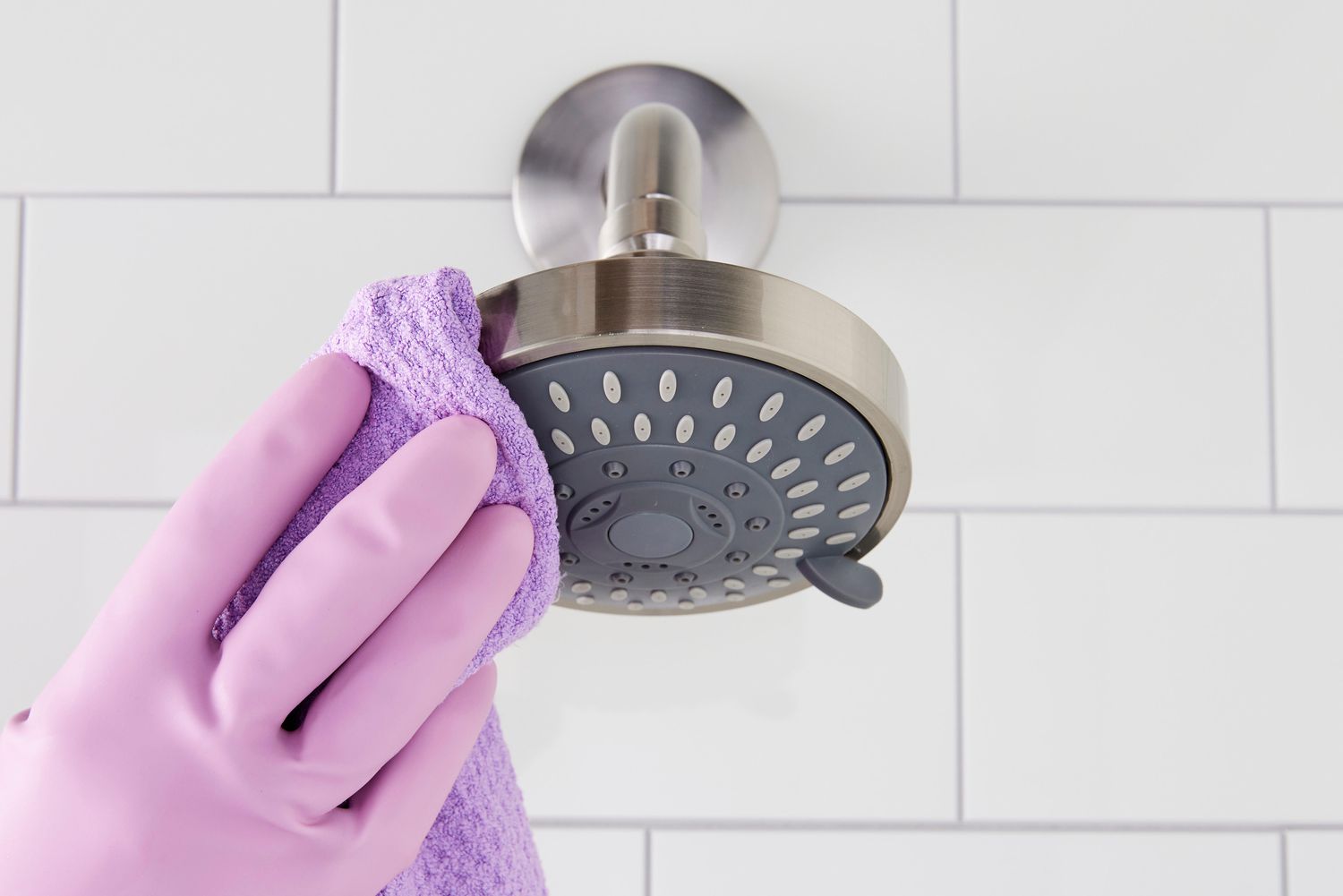
Limescale, debris, and sediment can build up inside tap aerators and shower heads over time. Signs include uneven spray patterns, reduced flow from a single outlet, and white limescale deposits.
You can remove and soak affected parts in a descaling solution or white vinegar, then rinse thoroughly before refitting. This simple maintenance task can often produce immediate improvement.
Check for Hidden Leaks
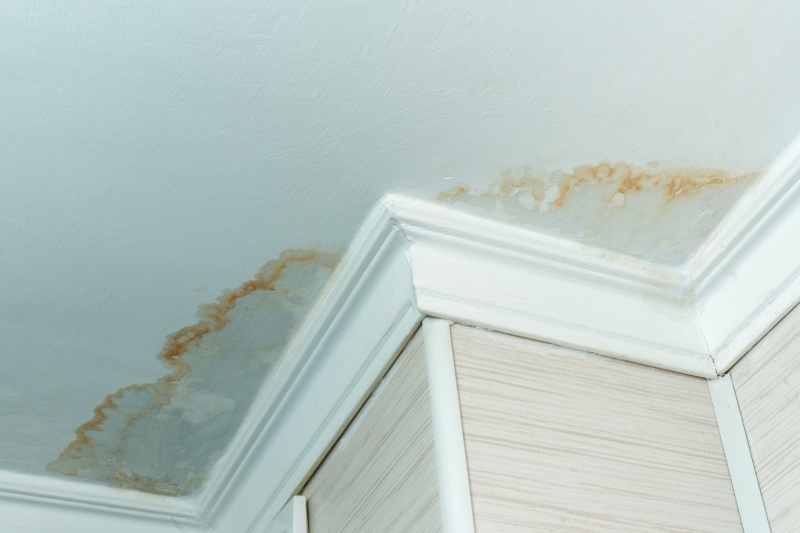
Even a small leak can reduce water pressure throughout the property. Undetected leaks not only affect pressure but can also lead to costly water damage if left unresolved.
Look for:
- Damp patches on walls or ceilings.
- Unexplained increases in water bills.
- Constantly running toilets.
- Water meter movement when no water is being used.
Upgrade Old Pipework
Older properties may have pipework that restricts water flow due to age, corrosion, scale build-up or undersized/collapsed pipes.
Replacing outdated plumbing can dramatically improve flow throughout the home.

Install a Mains Water Booster Pump or accumulator vessels
If your incoming mains pressure is naturally low, a booster pump or accumulator vessel may be the best solution.
This can increase pressure to showers and taps, improve performance in larger homes, and can be installed for specific outlets or the entire property.
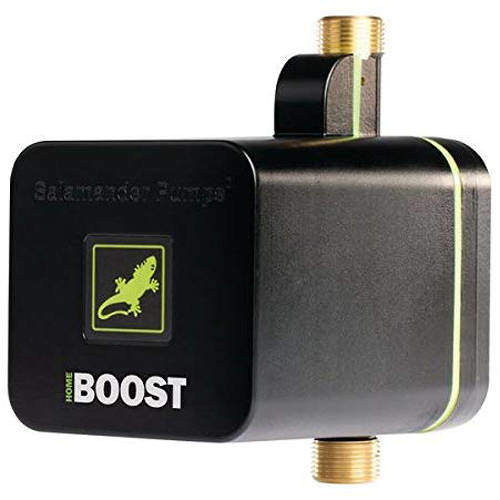
Install a single outlet pump or whole house pump
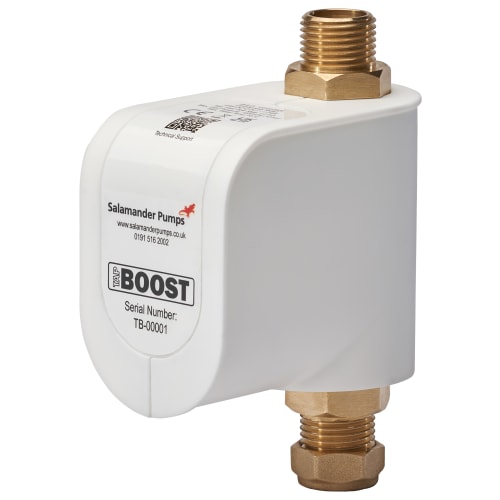
If your property uses gravity hot and cold water, you may be able to add an in-line pump to boost the pressure and flow to an individual outlet or even the whole house.
If you have mains pressure hot and cold water, then you may still be able to increase the flow to an individual outlet using an in-line booster pump.
Upgrade Your Shower System
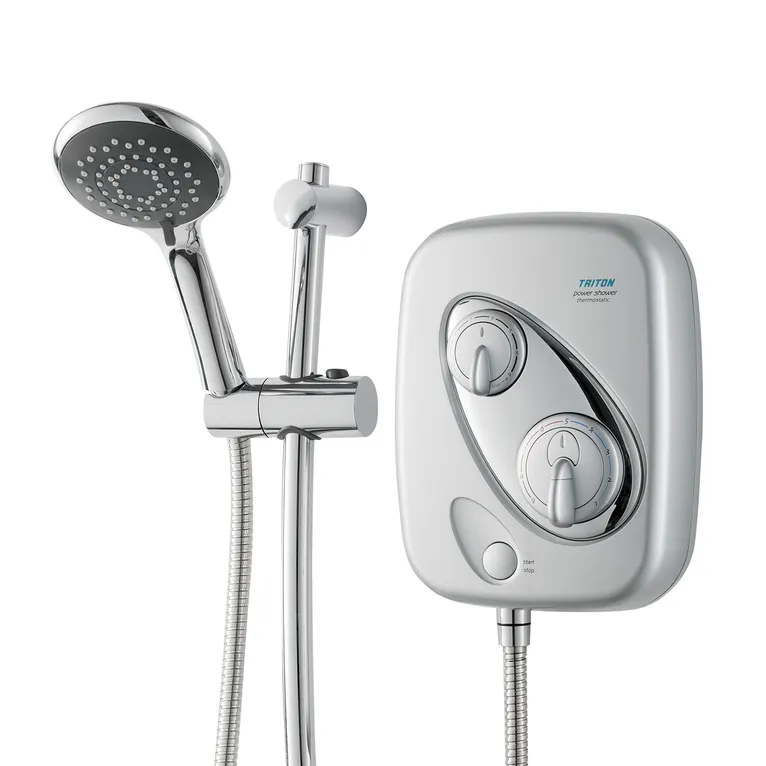
Power showers are designed for low pressure gravity fed systems.
These showers are fed with gravity hot and cold water and have an internal pump to boost the hot and cold water pressure.
Check Your Pressure Reducing Valve (PRV)
Many homes have a pressure reducing valve fitted to regulate incoming mains pressure.
It can restrict pressure throughout the property if it is set too low, faulty, or blocked by debris.
We can test, then adjust or replace the valve if necessary

Upgrade Your Water Tank and Pumping System
For homes supplied by gravity-fed systems, switching over to mains fed applications can greatly improve the hot and cold-water performance.
This would typically be achieved by installing an unvented cylinder or perhaps a combi boiler depending on the flow rate available and number of occupiers/bathrooms
Contact Your Water Supplier
Sometimes the problem originates from outside your home. Local supply issues, water main leaks,
planned maintenance work or pressure restrictions in the area. Your water supplier will be able to confirm whether there are known problems affecting your property.
When to give us a call?

If you’ve checked the obvious causes and your water pressure is still poor, we can measure your actual pressure and flow rate, identify restrictions within the system, check for concealed leaks, and recommend upgrades.
If you’re struggling with low water pressure and would like free expert advice, contact us by email or on 01491 839675 and we can discuss the possible causes and most effective solution for your home.
Boiler Servicing • Boiler Repairs • Boiler Replacement • Heating Advice